Type 2 Diabetes and Diet: What a Dietitian Wants You to Know

Type 2 diabetes is one of the most common conditions I work with as a dietitian and also one of the most responsive to dietary change. The right nutrition approach can meaningfully improve blood sugar control, reduce HbA1c, support weight management, and in some cases contribute to remission. Here's what the evidence actually supports.

Understanding blood sugar and carbohydrates
Carbohydrates raise blood glucose more than any other macronutrient, which is why carbohydrate quality and quantity are central to managing type 2 diabetes. But this doesn't mean eliminating carbs entirely - it means choosing the right types, in the right amounts, at the right times.
Lower glycaemic index foods - those that cause a slower, more gradual rise in blood glucose — consistently produce better blood sugar control compared to high GI foods. Wholegrains, legumes, most vegetables, and lower-sugar fruits are all good choices. Refined carbohydrates, sugary drinks, white bread and processed snacks produce rapid glucose spikes and should be limited.
The plate approach
A practical starting point for most people with T2 diabetes is the plate method: fill half your plate with non-starchy vegetables, a quarter with a lean protein source, and a quarter with a wholegrain or starchy carbohydrate. This naturally moderates carbohydrate intake while ensuring nutritional balance, and it's flexible enough to work with any cuisine or cooking style.
Weight loss and Type 2 diabetes
Even modest weight loss — 5 to 10% of body weight can produce significant improvements in blood glucose levels and insulin sensitivity. More substantial weight loss has been associated with type 2 diabetes remission in some people, particularly in the earlier years after diagnosis. This is why weight management is often a core part of a T2 diabetes nutrition plan.
The Mediterranean diet and T2 diabetes
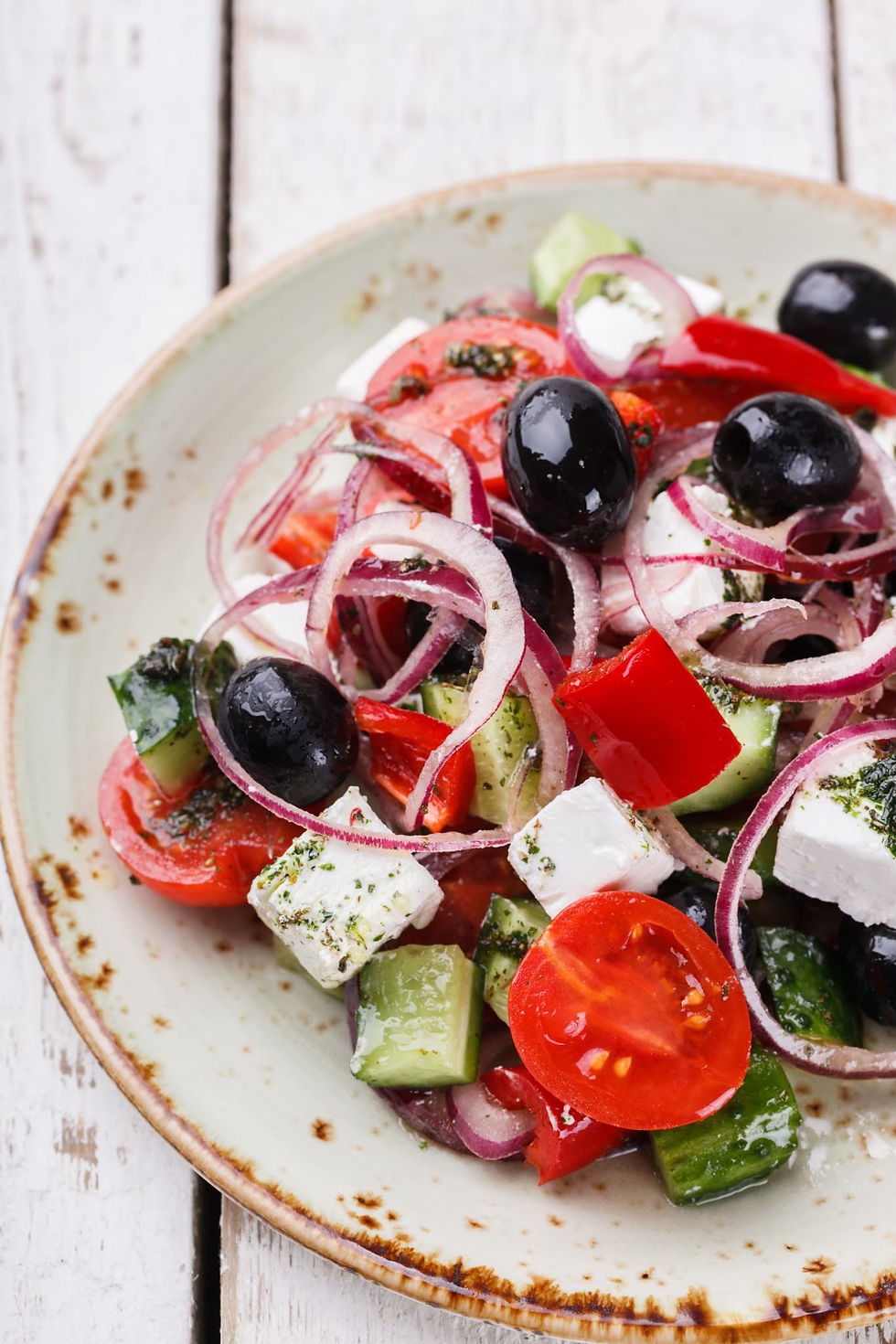
The Mediterranean dietary pattern - rich in olive oil, fish, legumes, wholegrains, nuts, and abundant vegetables - has strong evidence for improving HbA1c, blood lipids, and cardiovascular risk in people with type 2 diabetes. It's also delicious and sustainable long term, which matters enormously for real-world adherence.
Getting personalised support
Managing type 2 diabetes through nutrition is highly individual -your medication, your starting point, your food preferences and your lifestyle all affect what will work best for you. Working with a registered dietitian means you get a plan that's built around your actual life, not a generic handout. I offer a free 15-minute discovery call if you'd like to find out how I can help.


Comments